


This week at The Archive we are marking Burns Night with the addition of a very special brand new Scottish title the Mearns Leader. Meanwhile, from Ballymena to Biggleswade, from Londonderry to Littlehampton, from Maidstone to Market Harborough, we’ve updated ten of our existing titles from England and Northern Ireland. Furthermore, over the last seven days, we have added over 95,435 brand new pages to our collection of historic newspapers. So read on to discover more about legendary Scottish poet …
Blog Posts
This week at The Archive we have added an impressive 70,552 brand new pages, as we mark the launch of International Women’s Year in January 1975 by the United Nations, which would form the basis of International Women’s Day. Meanwhile, we’ve added one brand new title from Scotland, the Cumbernauld News, whilst we also see updates to six of our existing titles from across the United Kingdom. So read on to discover more about our brand new title of the …
Tags
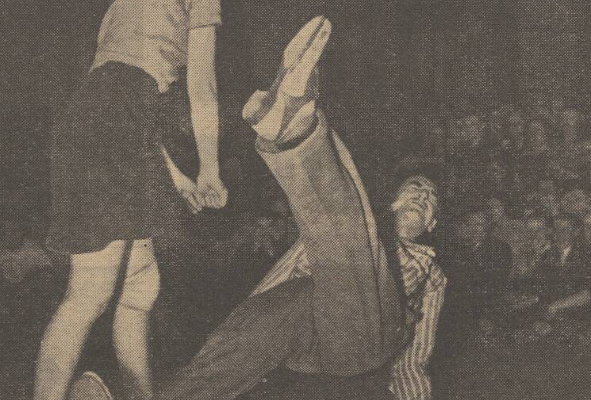
In the 1940s the jitterbug, a type of swing dancing that was pioneered by African American communities in New York during the early twentieth century, took the United Kingdom by storm. The energetic dance, which featured elements of the jive, the charleston, and other swing dances, divided Britain, with it being embraced by those who flocked to dancehalls up and down the country, whilst others viewed it as a morally dangerous American import. In this special blog, using newspapers from …
Tags
As we enter the second week of the New Year, we’ve added 50,963 brand new pages to our collection, with updates to such titles as the Dublin Leader and the Nottingham Evening Post. From Berkshire to Bradford, from Devizes to Downham Market, from Galway to Guernsey, we’ve updated twelve of our existing titles from England, Ireland and even the Channel Islands. Read on to find out which of our wonderful twelve newspapers we have updated this week. Meanwhile, you can …
Tags
We’re kicking off the New Year with a bang, as we welcome 56,730 brand new pages to The Archive, which include a cracker of a new title, the Coleraine Times. Meanwhile, from Bromley to Buxton, from Wharfedale to Worthing, we’ve updated eleven of our existing titles from across the United Kingdom and Ireland. So, as we wish our subscribers, friends and followers a very happy New Year, we also present to you our first new and updated titles of 2024. …
Tags
Today we have released one million new free to view pages on The Archive, meaning that we now have a total of nearly 3.5 million free to view pages all now available as part of our collection. These pages have been brought to you thanks to our partnership with the British Library. Both the British Newspaper Archive and the British Library are committed to making historic resources available to more and more people, and these 3.4 million free to view …
Tags
This week we have reached another milestone in our digitisation journey, as we have reached 73 million pages at The Archive, whilst we explore an early festive film, the Christmas Burglars. Not only have we added an early cinema title to our collection, we have also added a new title from England’s north-east, namely the Blyth News Post Leader, as we have added 127,786 brand new pages in all to our collection over the last seven days. This is our …
Tags
This week at The Archive we are delighted to welcome one splendid brand new title to our collection – Toby – the ‘East London Watch-Dog‘ – which provides us with a fascinating insight into attitudes to the police in Whitechapel at the time of Jack the Ripper. That’s not all, over the last seven days we’ve added 89,020 brand new newspaper pages, whilst we’ve made important updates to our newspaper titles from across England, Scotland and Northern Ireland. So read …
Tags
This week at The Archive we are delighted to welcome the ‘Organ of the Book Trade,’ the landmark publishing magazine The Bookseller to our collection. Spanning 150 years of book-related news, we have released over 400,000 brand new pages for this title, as we have added 403,183 brand new pages in all over the last seven days. So read on to discover all about our wonderful new title The Bookseller, as we start the month of December with a bang. …
Tags
To mark St Andrew’s Day this year, the day that celebrates the patron saint of Scotland, we’ve added a very special brand new title to The Archive, Scotland on Sunday, alongside 218,837 brand new pages from across the United Kingdom. That’s not it, we’ve also added one wonderfully named title from the county of Worcestershire, the Kidderminster Shuttle, whilst we’ve updated our existing titles from Carrickfergus to Croydon, from Coleshill to Crowthorne. So read on to discover more about our …